
 Dallas, Texas


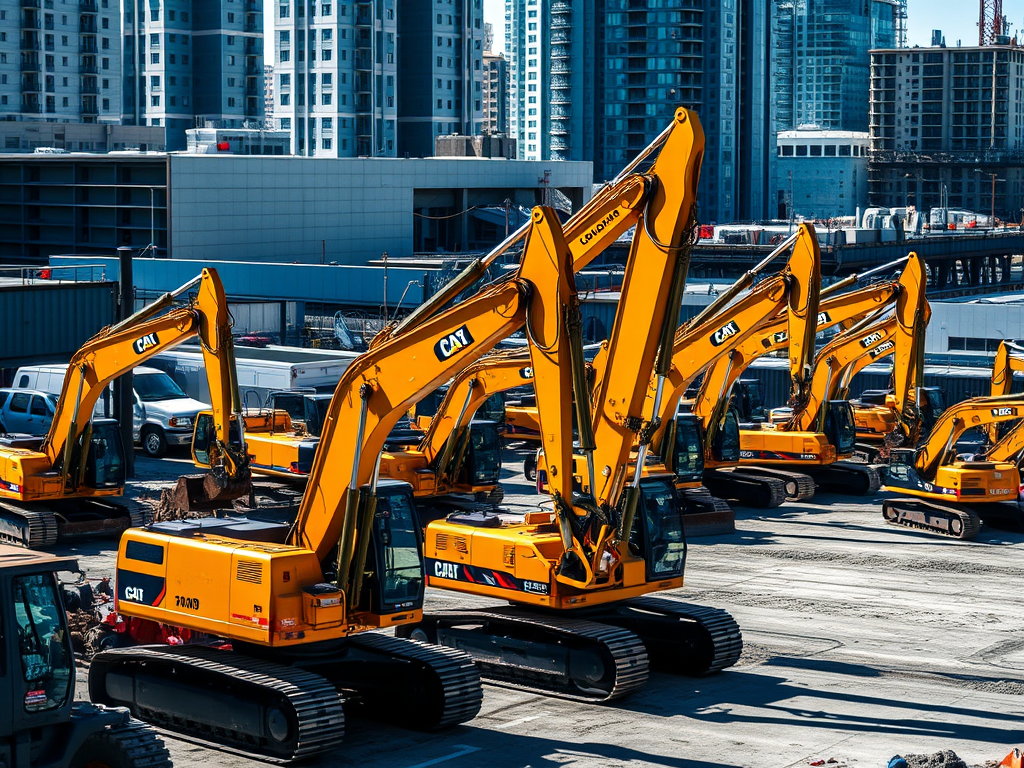
The equipment rental industry has become a vital part of America’s business backbone, especially in construction, agriculture, landscaping, and event production. With the introduction of The Big Beautiful Bill (BBB), rental companies should be paying close attention.
What is The Big Beautiful Bill?
The Big Beautiful Bill (BBB) is a federal legislative package aimed at strengthening American small businesses through tax incentives, access to capital, infrastructure investment, and regulatory simplification. It’s a response to the growing challenges facing entrepreneurs post-COVID and amid rising inflation, labor shortages, and supply chain pressures. For equipment rental companies, the bill could usher in real opportunities.
Why Should Rental Companies Pay Attention?
While the full language of The Big Beautiful Bill is complex, several key provisions have direct implications for equipment rental companies:
1. Tax Incentives for Capital Investment
What’s changing:
The BBB includes expanded tax deductions and accelerated depreciation options for companies that invest in new equipment.
Why it matters:
For rental companies, this could mean serious savings when purchasing new fleets from mini excavators and skid steers to generators and aerial lifts. Faster depreciation allows businesses to reduce their tax burden, modernize their fleet, stay competitive, and keep maintenance costs low.
2. Access to Low-Interest Financing
What’s changing:
A $25 billion expansion of the Small Business Lending Fund is aimed at helping equipment-intensive industries secure low-interest loans.
Why it matters:
Rental companies often face steep upfront costs when acquiring inventory. The BBB could reduce those barriers, making it easier to finance new equipment, expand into new markets, or open additional locations — especially for smaller operations competing with national chains.
3. Incentives for Construction and Infrastructure Growth
What’s changing:
Massive federal investments in infrastructure projects will fuel demand for heavy machinery and short-term equipment use across the country.
Why it matters:
With billions flowing into highways, bridges, broadband expansion, and energy projects, the demand for rentals is poised to surge. Equipment rental companies, especially those serving the construction sector, will hopefully benefit from steady demand over the next decade.
4. Tax Credits for Local Hiring and Apprenticeships
What’s changing:
Small businesses hiring local workers, especially veterans and young adults, will receive targeted tax credits
Why it matters:
The cost of hiring employees, especially in regard to insurance, has accelerated so fast in the last fifteen years. This will offer relief in making workforce development more affordable.
5. Simplified Safety and Compliance Regulations
What’s changing:
The BBB proposes streamlining OSHA compliance processes for small and mid-sized businesses.
Why it matters:
Rental companies often juggle liability, safety inspections, and regulatory paperwork. Easing these burdens is going to free up a lot of time for key personnel. This really compliments the other incentives of the bill. Key personnel could have more time to train new employees, focus on their fleets or simply generate profit in general.
6. Disaster Resilience Funding
What’s changing:
The bill offers grants and tax credits for businesses in disaster-prone areas to improve business continuity, including insurance subsidies and equipment protection incentives.
Why it matters:
For rental companies in hurricane- or flood-prone regions, this means help covering the cost of business interruption insurance or reinforcing their yards and storage areas. With more extreme weather events on the rise, this provision could be a game-changer, especially in our gulf coast footprint.
Final Thoughts: A Bill That Brings Opportunity — If You’re Ready
The Big Beautiful Bill could usher in a new era of growth for equipment rental businesses — especially those agile enough to take advantage of capital incentives and new demand from infrastructure projects. But preparation is key. Rental companies should:
• Reassess their fleet investment strategies
• Explore SBA-backed financing programs
• Work with insurance brokers to make sure they have the coverages under new guidelines to qualify for subsidies and credits
• Stay connected with industry groups to understand how federal funds are flowing locally
If you have any further questions or would like to discuss further, don’t hesitate to reach out to me at [email protected] or call me directly
Explore SBA-backed financing programs
